

A share of what we build.
Storehouse Growth is the investing arm of Storehouse: one fund that puts our own capital to work in real ventures. Shareholders own a piece of the fund and share in what it earns.
Storehouse Growth
- What you holdShares in the fund
- SubscriptionsQuarterly
- RedemptionsQuarterly
- Minimum holdOne year
- Who takes partQualified investors
This started with a problem
Funds this community desperately needed were spent about as fast as they came in. Every need meant asking again, and the answer was never certain.
A team here saw that the same money, invested rather than spent, could grow and meet more needs than it ever could once. So they borrowed from people who trusted them, put it to work, and returned the principal along with the profit. Then they did it again, and the Fellowship Hall was built with cash. Storehouse Growth carries that work forward.
What one generation plants, the next one harvests.
Shares in the fund
Growth is one fund, and it works the way owning a business works. You hold shares, which makes you a shareholder: you own a piece of the fund itself.
You share in the profits
When the ventures do well, your shares are worth more. You are not paid a set rate; you are paid by owning a piece of something that grows.
And in the risk
When they fall short, your shares are worth less. Owning cuts both ways, and you could lose money.
You buy and sell quarterly
Four windows a year to subscribe, four to redeem, and at least a year between the two.
Two things happen at once. Your own money earns for you, and the fund grows into something large enough to take on what none of us could fund alone.

“Invest in seven ventures, yes, in eight; you do not know what disaster may come upon the land.”Ecclesiastes 11:2
Simple to understand
Growth is an investing arm, not a bank and not a charity. Our people subscribe, the fund invests in real ventures, and shareholders share in what those ventures earn.
You subscribe
Four times a year a subscription window opens, and that is when you buy shares in the fund.
The fund invests
Growth invests in real assets and real businesses. Things you can stand in front of, meant to be held for years rather than traded by the quarter.
You can redeem
Four times a year a redemption window opens, when you can sell shares back to the fund. At least a year passes between subscribing and your first redemption.
A private fund
Storehouse Growth is open to qualified investors. We do not solicit investment from the public, and this website is here to explain the fund rather than to sell it.
If you would like to understand how Growth works, or whether it suits what you are trying to do with your money, we would rather have that conversation than hand you a brochure.

Things you can stand in front of
Property development, rentals, and operating businesses. Small teams work in the areas they actually know, and they bring specific opportunities to the Stewardship Group, which decides what gets funded and what does not.
How the money gets invested →Start a conversation
If you are a part of HMU or affiliated with it, and you want to understand how the fund works, reach out and we will be happy to jump on a call.
Connect with us →Shares in Storehouse Growth
You hold shares in one fund, and what they are worth follows how the ventures do. Here is how subscribing, holding, and redeeming work.
A piece of the fund
Subscribe and you hold shares in Storehouse Growth, which makes you a shareholder. You own a piece of the fund itself, and through it a piece of everything the fund owns.
There is no fixed rate here and no promised yield. Nobody owes you a number. What your shares are worth follows how the ventures underneath them do, which is the whole point of owning rather than being paid a rate: when they do well, that belongs to you.
It cuts the other way too. When the ventures fall short, your shares are worth less, and no one makes up the difference. Growth is built for money that can sit still and take that swing.

Key terms
The fund at a glance.
| Term | What it means |
|---|---|
| What you hold | Shares in Storehouse Growth. |
| How you are paid | By ownership. There is no interest and no promised yield. What your shares are worth follows how the ventures do. |
| If the ventures do well | Your shares are worth more. |
| If they fall short | Your shares are worth less, and you could lose money. |
| Valuation | Share values follow a documented valuation policy, and the fund opens its books to an annual audit. |
| Subscriptions | Quarterly. Four windows a year to buy shares. |
| Redemptions | Quarterly. Four windows a year to sell shares back to the fund. |
| Minimum hold | One year between subscribing and redeeming. Your first redemption is the first quarterly window falling at least a year after you subscribed. |
| Who takes part | Qualified investors. |
Price, minimums, fees, and the full and binding terms are set out in the offering documents. We go through those directly with anyone we are in conversation with rather than publish them here.
Where the money can come from
A subscription does not have to come out of a chequing account. Growth accepts capital from several places.
Cash
From an individual, a business, or a group investing together.
Self-directed retirement accounts
You can subscribe through a self-directed IRA, which puts retirement money to work without needing cash on hand today.
Businesses and corporations
A business can invest capital or surplus funds directly rather than leaving them idle.
Trusts and estates
Through a trust, an estate fund, or a family foundation.
If the money you have in mind sits somewhere else, ask us and we will tell you plainly whether it can be used.
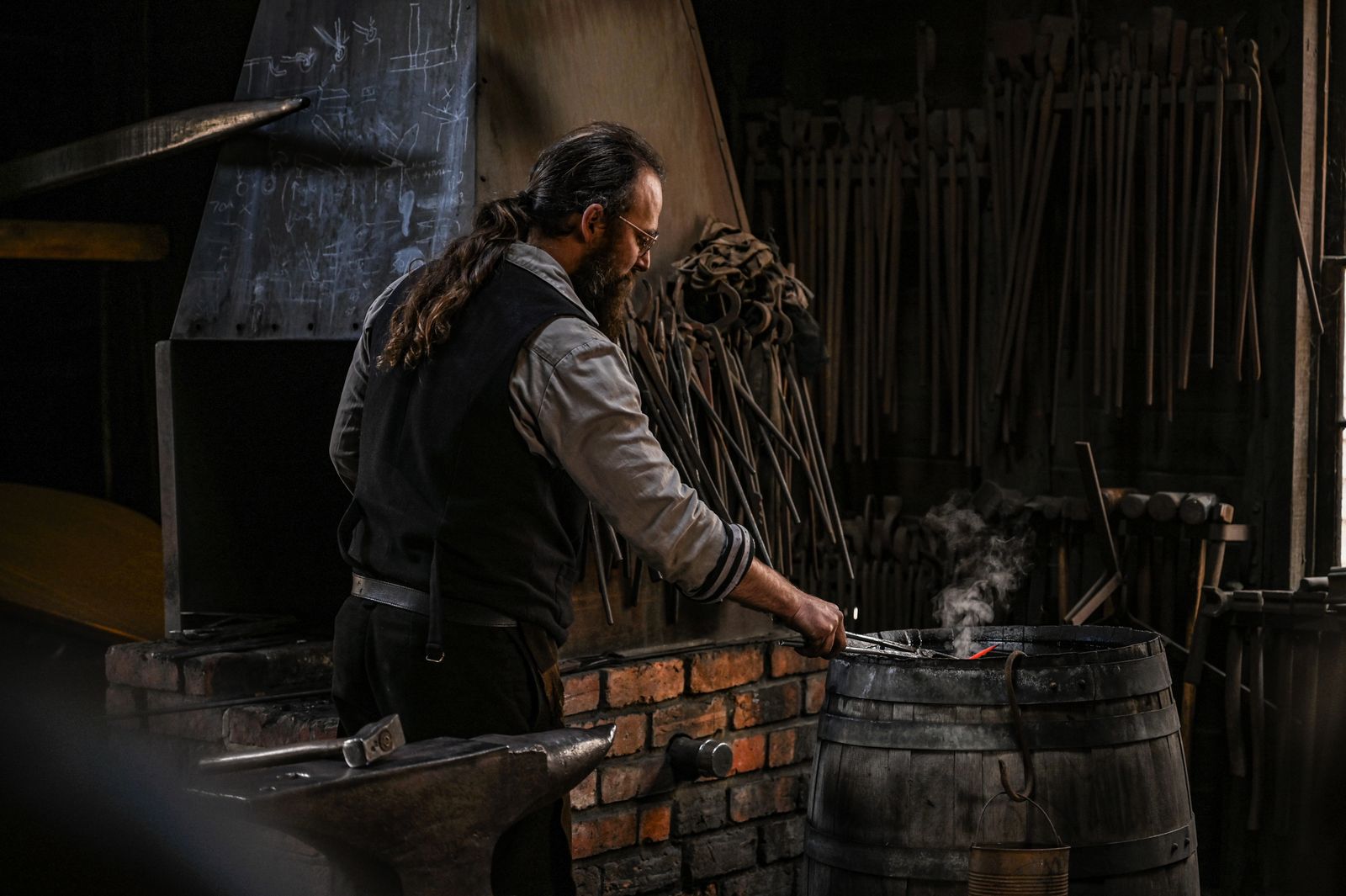
We invest over years, not quarters.
A trade is learned slowly, and a business is built the same way. We would rather back something real and wait for it than chase a number by the quarter. The one-year minimum hold is that conviction written into the terms.
Who takes part
Storehouse Growth is open to qualified investors. We do not solicit investment from the public.
That is not us sorting the community into tiers. “Qualified investor” is a standard set by securities regulators for offerings that are not sold to the general public, and it is a test of income, net worth, or professional credentials. It applies to individuals. If you are asking on behalf of a church or another entity, talk to us, and if you are not sure where you fall as an individual, we will walk through it with you.
Talk with us
If you want to understand how the fund works, or whether it suits what you are trying to do, write to us.
Start a conversation →Where Growth came from
Storehouse Growth grew out of a habit this community already had: putting money to work among our own people and returning what it earned. Here is where that came from, and how it runs now.
It began with a problem
Funds this community desperately needed were spent about as fast as they came in. Every need meant asking again, and the answer was never certain.
A team here saw that the same money, invested rather than spent, could grow and meet more needs than it ever could once. So they borrowed from people who trusted them, put it to work, and returned the principal along with the profit. Then they did it again. What grew out of that was capital, and a habit of trust, and the Fellowship Hall was built with cash because of it.
The work went quiet for a season. It was taken up again in 2024 and rebuilt around a small team with the authority to decide and to act, so that the conviction behind it had a structure equal to it.
Storehouse Growth carries that work forward, at a scale the people who started it were reaching for all along.
Live off the harvest, not the seed corn
One generation can eat what it has, or it can plant it. We would rather steward what we have been given so it grows and multiplies, and then live on what it yields.
What it yields funds Kingdom projects, supports emerging communities, and builds opportunities that outlast us. That is the point of the whole thing: a reliable financial foundation our children inherit rather than rebuild.

Heritage Ministries United
Heritage Ministries United (HMU) is a Bible-believing community that covenants with member churches under a shared statement of faith. From humble beginnings in 1973 as an inner-city mission, it has grown into a network of Christ-centered communities.
HMU is led not by a single personality but by a council of elders serving in mutual submission under the headship of Christ. Growth operates under that same oversight.
Growth answers to a community that has been here since 1973.
Who runs it
Growth is managed by the Storehouse Stewardship Group, under HMU's oversight and accountable to the community.
The Stewardship Group
The team responsible for managing the endowment and its funds, and the people who run Growth day to day. It answers to HMU, and it is accountable to the community whose money it is.
Under HMU's oversight
Growth answers to the same council of elders that oversees the rest of the community, not to an outside board with different convictions.
Audited every year
Growth opens its books to an annual audit, and share values follow a documented valuation policy. Governance and the legal detail belong in the offering documents, where they bind us, rather than summarized loosely on a public page.
Small teams, working to their strengths
The Stewardship Group holds the capital and decides where it goes. It does not pretend to be expert in everything.
Underneath it work small investment groups, each with a lead. They work in the areas they actually know, such as property development, rentals, and operating businesses, and they petition the Stewardship Group for an allocation against a specific opportunity. The Stewardship Group weighs the petition, funds it or does not, watches how it performs, and moves capital when it should.
Groups can work on their own or together. Each one answers to the Stewardship Group, and the Stewardship Group answers to HMU.
Get in touch
If anything here raises a question, ask it. We would rather answer early than late.
Connect with us →Questions, answered plainly
How the fund is put together, what you hold, and how money goes in and comes out. If your question is not here, ask us.
What is Storehouse Growth?
Can I invest today?
How do I subscribe?
How do I get my money out?
How are shares valued?
Is redemption guaranteed?
What if I need my money sooner?
What is the share price, and what is the minimum?
Who can take part?
What is a qualified investor?
Is this insured or guaranteed by the church?
What kinds of ventures does Growth invest in?
Who decides what Growth invests in?
Where can the money come from?
Why have a for-profit arm at all?
Who runs Growth?
Start a conversation
We do not solicit investment from the public. This page is not an application and nothing here commits you to anything. If you want to understand how Growth works, or whether it suits what you are trying to do with your money, write to us and a person will answer.
Reach us directly
Email: hello@onestorehouse.com
Write to us directly if you would rather not use the form, or if you have a question you want answered before you put your name to anything. A person reads it.
Worth knowing before you write
- Growth is open to qualified investors. That is a test for individuals. If you are not sure whether it is you, or you are asking on behalf of a church or another entity, say so in the message and we will walk through it with you.
- Money you put in stays in for at least a year. You subscribe in one of four windows a year and redeem in one of four windows a year, with at least a full year between the two. Money you might need sooner does not belong here.
The rest of the mechanics are on the fund page, and the FAQ covers most of what people ask first.
Page not found
The page you're looking for doesn't exist.